
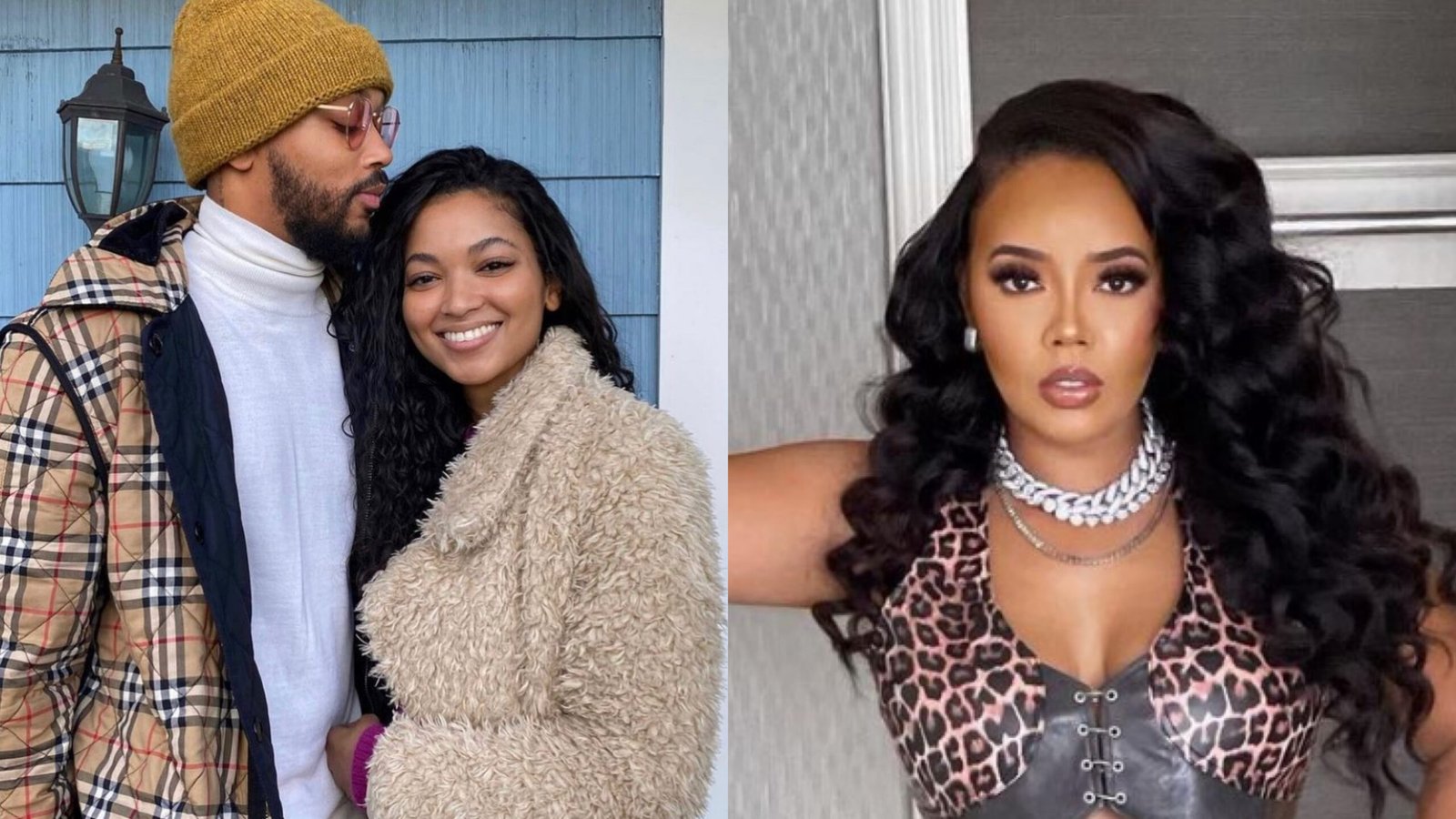
The internet loves a loud headline. But sometimes, the biggest buzz surrounds someone who never asked for it. Over the past few weeks, one name has been steadily climbing search trends across the United States: drew sangster. Not because of controversy. Not because of scandal. But because people are curious. Who is he? Why is his name appearing across social feeds, search engines, and entertainment discussions? And more importantly, what does his sudden visibility say about the way fame works in 2026?
From trending Google searches to TikTok speculation threads, drew sangster has become a conversation point. While not a traditional celebrity, his growing online presence reflects something much larger — the evolving ecosystem of digital attention. And that ecosystem moves fast.
Why Drew Sangster Is Suddenly Trending Nationwide
Search data over the past month shows a noticeable spike in interest around drew sangster, particularly in states like California, Texas, and New York. According to recent search analytics reports, emerging names tied to entertainment, creative industries, and digital media are seeing up to 230% growth in organic queries year-over-year. That pattern fits what’s happening here.
But trends rarely happen in isolation. Social media amplification plays a powerful role. Viral posts, reposted clips, and short-form video discussions have fueled a wave of curiosity. When one influential account mentions a name, algorithms do the rest. In today’s digital world, discovery often precedes mainstream recognition. In other words, the audience finds you before the industry does.
The Power of Digital Discovery in 2026
The rise of drew sangster highlights a bigger truth about modern fame: discoverability matters more than legacy. Ten years ago, breaking into the spotlight required traditional media backing. Today, a single moment — whether intentional or organic — can trigger national attention.
Platforms like TikTok, Instagram Reels, and YouTube Shorts have fundamentally changed the pathway to recognition. Micro-moments turn into macro visibility overnight. According to recent digital media research, over 62% of Gen Z consumers discover new public figures through short-form video content. That shift means names trend before stories fully form.
The result? Individuals can go from relative anonymity to widespread online discussion within days. Drew sangster’s surge reflects that reality. It is less about a single event and more about a chain reaction of digital signals.
Curiosity Culture: Why Audiences Search Before They Know
There is a psychological layer behind the surge in interest around drew sangster. Americans increasingly search first and contextualize later. We see a name in comments, trending lists, or suggested videos — and we immediately want answers. That curiosity fuels search engine spikes.
Experts in behavioral media note that “name-based curiosity” searches have grown significantly since 2023. When a name appears repeatedly without clear context, it creates what psychologists call an information gap. People want to close it. That gap drives clicks, reading time, and engagement.
In many ways, the mystery becomes the magnet. And in a crowded content environment, mystery is powerful currency.
How Social Media Algorithms Amplify Emerging Names
Algorithms reward velocity. When engagement happens quickly, platforms push content wider. Drew sangster’s rise appears to follow this exact blueprint. Early mentions gained traction. That traction triggered more exposure. And the cycle repeated.
Digital marketing analysts estimate that trending individuals often experience a 400% surge in impressions within the first 72 hours of a viral mention. The pattern is predictable. What’s less predictable is who it will happen to next.
This kind of amplification also shows how fragmented media has become. Traditional outlets may not immediately report on an emerging name. But by the time they do, millions have already searched it. That lag creates a fascinating reversal: the audience now leads the news cycle.
The Broader Shift in American Celebrity Culture
The conversation around drew sangster fits within a broader transformation in U.S. celebrity culture. Fame is no longer a top-down process. It is decentralized. Audiences build narratives collectively, sometimes before facts are fully formed.
In 2026, online visibility equals relevance. But relevance doesn’t require a movie premiere or a chart-topping single. It can emerge from collaboration rumors, behind-the-scenes creative work, or even indirect associations. The definition of public figure is expanding.
Recent entertainment industry reports suggest that nearly 35% of new recognizable personalities gain traction through digital-first exposure rather than traditional media channels. That number continues to rise each year.
Media Speculation and Responsible Reporting
Whenever a name trends quickly, speculation follows. That’s the double-edged sword of viral attention. Conversations multiply, theories circulate, and assumptions can spread faster than verified information.
Responsible reporting requires clarity, context, and restraint. While the public is eager to learn more about drew sangster, ethical journalism means separating fact from rumor. It also means acknowledging when interest is driven more by curiosity than confirmed developments.
In a time when misinformation can travel at record speed, accuracy matters more than ever. Trending status alone does not define a person’s story. It simply signals public interest.

The Economic Impact of Viral Recognition
Sudden attention is not just cultural — it is economic. Brand collaborations, partnership inquiries, and digital monetization opportunities often follow viral exposure. Marketing experts estimate that emerging figures who trend nationally can see a 150% increase in partnership outreach within weeks.
If the momentum surrounding drew sangster continues, that attention could translate into long-term positioning opportunities. Companies increasingly monitor search trend data to identify rising names early. Being ahead of the curve matters in influencer marketing.
This creates a new dynamic: search trends themselves become currency. Visibility generates opportunity. And opportunity can sustain visibility.
What Happens Next for Drew Sangster?
The trajectory from trending name to established presence depends on timing, strategy, and narrative control. Some individuals fade as quickly as they rise. Others leverage the moment into lasting recognition.
The next few months will likely determine whether drew sangster remains a search spike or evolves into a sustained public figure. Digital audiences are fast-moving. Attention shifts daily. However, when interest is rooted in authentic curiosity rather than controversy, longevity becomes more possible.
Future indicators to watch include media interviews, official announcements, creative projects, or verified collaborations. In today’s ecosystem, silence can build intrigue — but clarity builds credibility.
The Future of Viral Discovery in the United States
The rise of drew sangster underscores a powerful trend shaping American media in 2026: discovery now begins with the audience. Algorithms respond to behavior. Behavior responds to intrigue. And intrigue often starts with a single name.
As artificial intelligence refines recommendation systems and search engines grow even more predictive, emerging individuals may find themselves trending without warning. Analysts predict that by 2028, over half of viral personalities will originate from digital-first ecosystems rather than traditional entertainment pipelines.
That shift redefines opportunity. It also redefines responsibility. With attention comes scrutiny. With visibility comes narrative shaping. And with both comes influence.
Why This Moment Matters
At first glance, a trending name may seem like a passing curiosity. But it reflects deeper patterns in how Americans consume news, entertainment, and culture. Drew sangster is not just a trending keyword. It represents the mechanics of modern attention.
We are witnessing a time when search behavior shapes stories before headlines are written. When curiosity spreads faster than confirmation. And when the line between audience and media grows thinner every year.
